
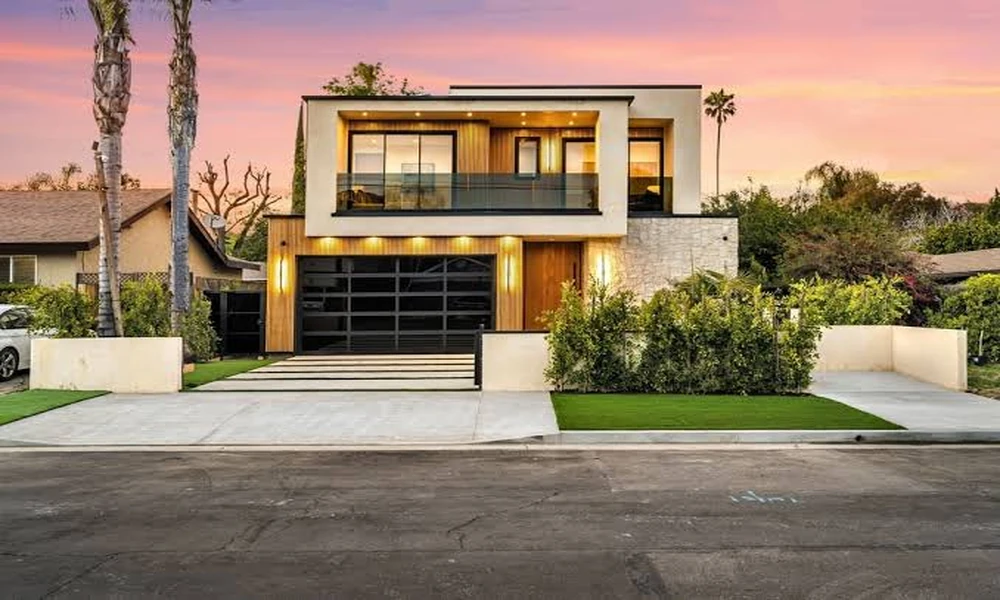

Perth is not a single residential market. It is a collection of distinct communities spread across a coastal corridor and inland plateau that cover hundreds of kilometres from Yanchep in the north to Mandurah in the south. Within this extended metropolitan region, the suburbs that have seen the strongest residential growth in recent years are often the lifestyle suburbs at its edges: communities that offer waterfront living, larger blocks, newer infrastructure, and a quality of life that has drawn families away from the established inner suburbs.
Joondalup in Perth’s northern corridor and Mandurah in the Peel region to the south are two of the strongest examples of this trend. Both have experienced significant population growth, sustained housing construction activity, and a maturation of retail, employment, and services infrastructure that has made them genuine cities in their own right rather than dormitory suburbs of the Perth CBD.
For the homeowners who are choosing these locations, air conditioning is not a peripheral consideration. It is a core lifestyle infrastructure element that determines how comfortable the home is through the extended WA cooling season. And the specific characteristics of these locations, their proximity to the coast, their distinct microclimate patterns, and their particular mix of housing stock, create specific air conditioning considerations that a one-size-fits-all approach does not address.
Joondalup and the Northern Suburbs: Climate Characteristics That Matter
The northern coastal corridor of Perth, encompassing Joondalup and the surrounding suburbs from Clarkson through to Ocean Reef, has a climate profile shaped by its proximity to the Indian Ocean and its position on the coastal plain north of the Swan River.
The characteristic that most shapes air conditioning decisions in this part of Perth is the timing and reliability of the sea breeze. The Fremantle Doctor sea breeze, which provides Perth’s most significant natural afternoon cooling, tends to arrive later in the northern suburbs than in inner Perth, and with slightly less consistency than along the central coastal strip. On the hottest summer days, the breeze may not arrive until mid-afternoon or later, leaving the northern suburbs exposed to extended periods of extreme heat.
The implication for Joondalup homeowners is that the air conditioning system must be capable of maintaining comfortable temperatures through a longer period of peak heat than homes closer to the central coast experience. A system that is adequate for homes in Cottesloe or City Beach, where the breeze typically moderates temperatures from noon, may not be adequate for a Joondalup home where the same temperatures persist until 3pm or later.
For homeowners in Joondalup and the northern corridor seeking quality air conditioning solutions servicing the Joondalup area, this extended peak heat period should be factored into system capacity recommendations from the outset.
Proximity to the Coast and Salt Air Considerations
Joondalup’s suburban spread includes some areas that are immediately adjacent to the Indian Ocean coastline, where salt-laden sea air creates an accelerated corrosion environment for metal components including outdoor condenser units.
For homes within approximately one to two kilometres of the coast, the condenser unit specification and maintenance approach should account for this environment. Protective coatings on condenser units, regular rinsing of condenser coils to remove salt deposits, and more frequent inspection of exposed metal components are all appropriate responses to the coastal environment.
This is not a reason to avoid air conditioning in coastal northern suburbs. It is a reason to specify and maintain it appropriately. Modern condenser units designed for coastal applications include enhanced corrosion protection coatings. Confirming that the units being installed are appropriate for the specific location, and maintaining them with the frequency that the environment demands, ensures a normal operational life without the premature corrosion failures that result from ignoring the coastal environment.
Mandurah and the Peel Region: A Different Climate and Different Challenges
Mandurah and the Peel region present a climate profile that differs from Perth’s northern suburbs in ways that are relevant to air conditioning decisions.
The Peel Inlet, the canal network, and the proximity to the southern ocean all contribute to a humidity profile in Mandurah that is noticeably higher than inland Perth locations. This elevated ambient humidity has a direct effect on air conditioning performance and on the relative merits of different cooling technology types.
Evaporative cooling performs less reliably in Mandurah’s humid conditions. The effectiveness of evaporative cooling depends on the dryness of the incoming air. In Mandurah’s more humid coastal environment, particularly on days when the sea breeze has been established for some time, the incoming air has already absorbed moisture and has less capacity to absorb additional evaporation. A ducted evaporative system that provides excellent cooling in dry inland Perth conditions may be marginal on humid Mandurah afternoons.
Refrigerative cooling is more consistently reliable. Ducted reverse cycle refrigerative systems and split systems operate on a refrigerant-based thermodynamic cycle that is independent of ambient humidity. In Mandurah’s more variable humidity conditions, refrigerative cooling provides consistent performance that evaporative technology cannot always match.
For Mandurah homeowners exploring their cooling options, understanding this humidity dynamic helps explain why many experienced local contractors recommend refrigerative systems as the primary cooling technology for this location, particularly for homes in canal estate or estuary-adjacent positions where the humidity influence is strongest.
For homeowners seeking professional air conditioning services covering the Mandurah region, local contractors familiar with these specific climate conditions provide recommendations calibrated to what actually performs well here rather than what might be the default specification elsewhere in the metropolitan area.
New Homes in Growth Corridors: Getting the Installation Right First Time
A significant proportion of the homes in Joondalup’s newer precincts and Mandurah’s growth corridors are relatively recently built or currently under construction. For new home buyers in these areas, the air conditioning installation decision is one that they face with the entire house planned but not yet completed, which is the ideal timing for getting it right.
New home construction provides the opportunity to incorporate air conditioning infrastructure into the build in ways that are either more expensive or practically impossible after construction is complete.
Adequate electrical provision. A ducted air conditioning system or multiple split systems require dedicated electrical circuits of appropriate capacity from the switchboard. In a new home build, these circuits can be installed as part of the standard electrical scope. In a completed home, they may require switchboard upgrades and cable runs through finished walls.
Ceiling void access and duct routing. In a new single-storey home, the ceiling void is accessible and unobstructed before ceiling lining is installed. Ductwork can be routed cleanly to every room without compromise. After the home is complete, accessing the ceiling void for ductwork is more complex and any repairs to ceiling linings more costly.
Outdoor unit placement in the site design. In a new home build, the outdoor unit or units can be positioned in the landscape design with proper consideration for clearances, sun exposure, aesthetics, and acoustic impact on living areas. After the home is complete and landscaping is established, the options for outdoor unit positioning are more constrained.
Serving Clients Across the Greater Perth Region
The greater Perth metropolitan area, from the northern suburbs through to the Peel region, presents a range of air conditioning service requirements that reflect the diverse housing stock, climate conditions, and lifestyle contexts across this extended area.
For air conditioning in Perth including the northern corridor and the Peel region, selecting contractors with genuine familiarity with the specific conditions of each area provides better outcomes than metropolitan-average approaches applied uniformly.
A contractor who has installed and maintained systems in Joondalup’s coastal suburbs understands the salt air considerations that matter there. One who regularly services Mandurah’s canal estates understands the humidity profile and the relative performance of different cooling technologies in that specific environment. Local knowledge, in air conditioning as in most things, produces better recommendations than generic specifications applied without regard for local conditions.
Conclusion
Perth’s lifestyle suburbs, from the northern coastal corridor through to Mandurah and the Peel region, have distinct climate and housing characteristics that create specific air conditioning considerations. The extended peak heat exposure of the northern suburbs, the elevated humidity of the Mandurah estuary environment, and the coastal salt air conditions that affect installations close to the ocean all require a locally informed approach to air conditioning selection and maintenance.
Homeowners in these growing communities who work with contractors familiar with local conditions get systems that are properly specified for their specific environment, maintained at the appropriate frequency for their location, and capable of providing the reliable comfort that Perth’s climate demands.
