


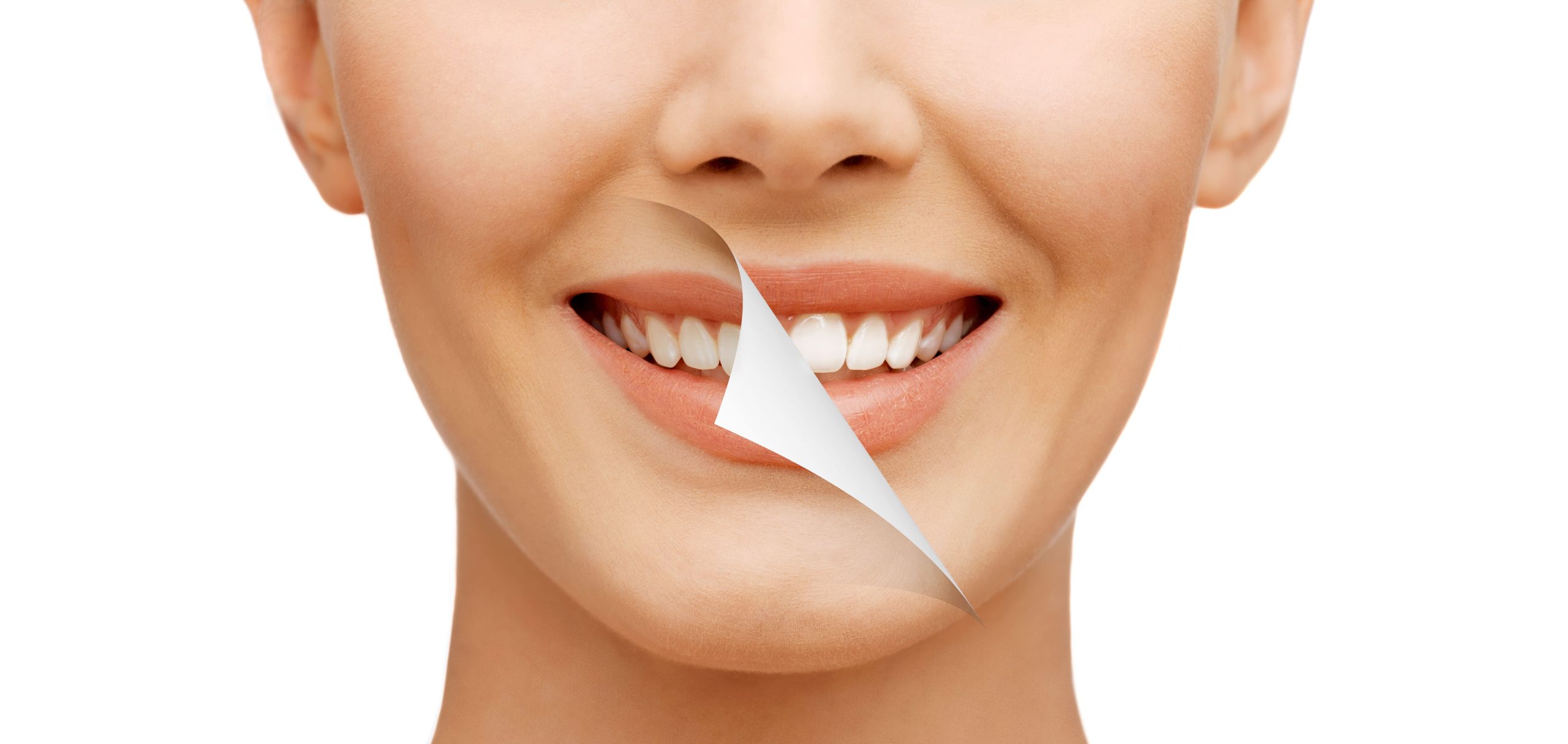
You might be thinking about whitening, veneers, bonding, or a full smile makeover, and at the same time, you may be wondering why your Wall Township dentist keeps talking about cleanings, exams, and gum health first. That can feel frustrating when all you want is to love your smile. Still, there is a reason for that order. The best cosmetic results usually begin with strong daily care and early treatment, because a healthy mouth gives every change a better chance to last. In simple terms, How Preventive Dentistry Plays A Role In Every Smile Transformation comes down to this. Prevention protects the foundation, lowers the risk of setbacks, and helps your new smile stay beautiful longer.end
It is easy to think of prevention and cosmetic care as two separate things. One feels practical, the other feels personal. But they are closely connected. If a cavity is forming, if gums are inflamed, or if enamel is wearing down, cosmetic work may not hold up the way you hope. That is why a family and cosmetic dentist often starts with the basics, even when your goal is a brighter or straighter smile.
Why does preventive dentistry matter before any smile makeover?
When people picture a smile transformation, they often imagine what will be added or changed. Whiter teeth. Better shape. Fewer gaps. A more even look. What they do not always see is the support underneath it all. Preventive dentistry helps catch decay, gum disease, grinding, and weak enamel before those issues grow into bigger problems.
According to the CDC’s overview of oral health, oral health is linked to overall health and quality of life. That matters more than many people realize. If your mouth is not healthy, cosmetic improvements may become harder, more costly, or more short lived. So, where does that leave you? It means prevention is not a delay. It is often the first step toward the result you actually want.
Think of it this way. If you place beautiful work on top of untreated problems, those problems do not disappear. They usually get worse quietly, and by the time they cause pain or visible damage, the treatment plan may need to change.
What can happen if you skip the preventive side of cosmetic dental care?
This is where many people get stuck. You want the after photo, but the before picture includes things that are less exciting to talk about. Maybe your gums bleed when you floss. Maybe you have not had a cleaning in a while. Maybe one tooth feels sensitive, but you have been putting it off. None of that means you cannot improve your smile. It simply means your dentist needs to protect you from avoidable problems first.
Tooth decay is still one of the most common oral health concerns, and the CDC page on cavities and tooth decay explains how untreated decay can lead to pain, infection, and tooth loss. If you move ahead with cosmetic treatment while decay is active, you may end up repairing the same area twice. That can mean more time, more expense, and more stress.
Gum health matters just as much. If your gums are swollen or receding, the look of your smile changes, and so does the stability of many treatments. Even whitening can feel uncomfortable when teeth are already sensitive or gums are irritated. A smile makeover and prevention plan helps reduce those risks before they interfere with your results.
How does preventive care support long term smile enhancement?
A real transformation is not only about how your smile looks on the day treatment ends. It is also about how it holds up six months later, two years later, and beyond. That is where preventive dental care becomes so important. Regular exams, professional cleanings, fluoride when needed, night guards for grinding, and good home care all support the work you invested in.
The National Institute of Dental and Craniofacial Research offers oral hygiene guidance that reinforces a simple truth. Brushing, flossing, and routine dental visits are not small things. They are the habits that protect enamel, gums, and restorations over time.
If you have ever seen someone get cosmetic work and then struggle to maintain it, this is often why. The treatment may have been good, but the foundation and follow through were not strong enough. Cosmetic dentistry can change a smile. Family dentist care helps preserve it.
What is the difference between cosmetic treatment alone and prevention first?
The table below shows why prevention often makes the whole process smoother and more predictable.
| Approach | What It Looks Like | Possible Outcome |
|---|---|---|
| Cosmetic treatment without preventive care | Whitening, bonding, or veneers started before treating decay, gum issues, or grinding | Higher chance of sensitivity, repair needs, shorter lasting results, and added cost later |
| Prevention first, then cosmetic care | Exam, cleaning, cavity treatment, gum evaluation, and home care plan before esthetic work | Healthier mouth, more stable results, better comfort, and a smile that is easier to maintain |
| Ongoing maintenance after treatment | Routine checkups, cleanings, and monitoring of wear, stains, and gum health | Better long term appearance and fewer surprises |
What can you do right now if you want a healthier, brighter smile?
1. Start with a full dental checkup.
If your goal is cosmetic improvement, ask for a complete exam first. That gives you a clear picture of cavities, gum health, bite issues, old fillings, and signs of grinding. It also helps you understand which treatments make sense now and which may need to wait.
2. Fix the small issues before they grow.
A tiny cavity, mild gum inflammation, or enamel wear may not seem urgent today, but these issues can change your options later. Taking care of them early is often simpler and less costly. It also protects any cosmetic treatment you choose next.
3. Build a home care routine you can keep.
You do not need a perfect routine. You need one that works in real life. Brush twice a day with fluoride toothpaste, clean between your teeth daily, and follow the care advice your dentist gives you. If you grind your teeth at night or drink a lot of coffee, say so. Those details matter when planning and protecting your results.
Could the best smile transformation begin with prevention?
Yes, and for many people, that is the part that makes the biggest difference. A beautiful smile is not only shaped by cosmetic treatment. It is supported by healthy gums, stable teeth, and habits that protect your progress. When prevention comes first, you are not settling for less. You are giving your smile the best chance to look good and stay that way.
If you have been thinking about changing your smile, take the next step by scheduling a visit with a family and cosmetic dentist who can help you build the right plan from the ground up.
