
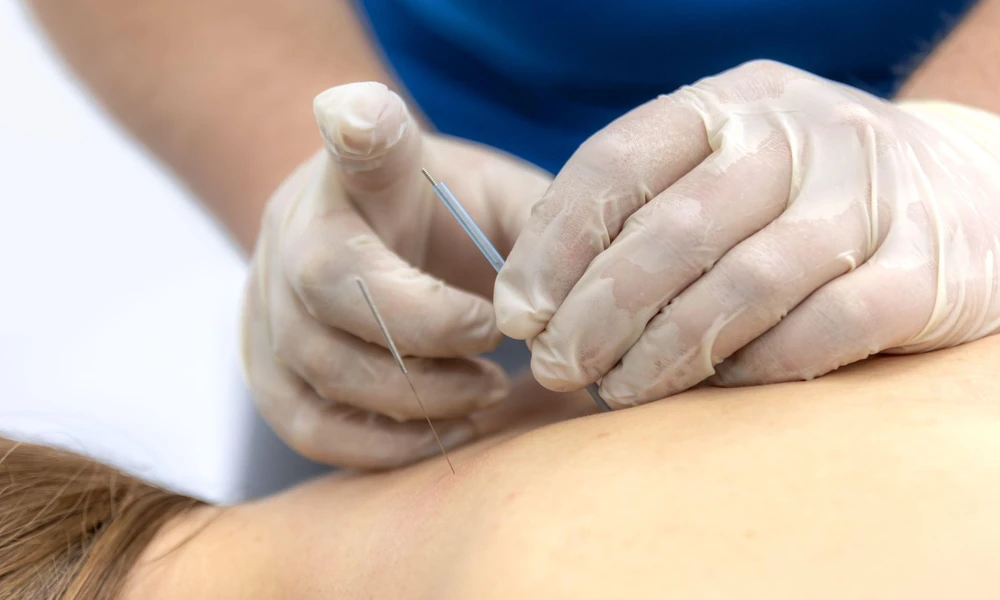

- Dry needling helps release deep muscular trigger points that traditional massage might miss.
- It is highly effective for chronic tension, sports injuries, and referred pain patterns.
- Specialist sessions at a physiotherapy clinic provide a clinical, evidence-based approach to recovery.
- Patients often experience improved range of motion and reduced stiffness after just a few sessions.
Introduction
Have you ever felt a knot in your muscle that just won’t budge? That persistent, nagging ache in your shoulder or the tightness in your calf that seems to linger no matter how much you stretch? You aren’t alone. Many people living a fast-paced life find themselves dealing with these physical hurdles. This is where dry needling treatment enters the conversation as a targeted solution. While the sight of needles might make some feel a bit uneasy, the process is actually quite distinct from acupuncture. It focuses on the Western medical understanding of anatomy and trigger points. At a reputable physiotherapy clinic, this technique is used to “reset” overactive muscles. By understanding which conditions respond best to this method, you can take a more informed step toward long-term relief and better mobility.
Addressing Chronic Muscle Tension and Trigger Points
One of the most frequent reasons people seek this therapy is for chronic muscle tension. We often carry stress in our upper back and neck, leading to those painful lumps we call “knots.” These are actually myofascial trigger points-areas where muscle fibres have stayed in a contracted state. When a needle is inserted directly into these spots, it can elicit a “local twitch response.” This reaction is a sign that the muscle is finally letting go, allowing blood to flow back into the area and providing much-needed relief.
You might wonder why a needle is necessary when you could just get a massage. Honestly, some trigger points are buried deep beneath layers of tissue. A therapist’s hands can only reach so far without causing excessive bruising or discomfort. The needle, being thin and precise, bypasses the superficial layers to hit the source of the problem. It is an efficient way to manage discomfort that has plagued you for months. Regular sessions help maintain muscle health, ensuring those knots don’t become a permanent fixture in your life.
Managing Sports Injuries and Improving Performance
Athletes and fitness enthusiasts often push their bodies to the limit, which can lead to overuse injuries. Conditions like tennis elbow, runner’s knee, or persistent calf strains are incredibly common. In a professional physiotherapy clinic in Singapore, dry needling treatment is a staple for speeding up the recovery process. It works by stimulating a healing response in the soft tissues and reducing the concentration of inflammatory chemicals that cause pain. It’s not just about stopping the hurt; it’s about getting back to the sport you love.
Interestingly, this treatment is also a great tool for performance. When a muscle is perpetually tight, it cannot generate full power. By releasing these dormant tensions, athletes often find their movements become smoother and more efficient. It helps in restoring the natural balance of muscle groups, which is essential for preventing future injuries. Whether you are training for a marathon or just enjoy a weekend game of football, addressing these muscular imbalances can give you a significant edge in your physical pursuits.
Relieving Tension Headaches and Migraines
Did you know that many headaches actually start in your neck and shoulders? These are often referred to as cervicogenic headaches. When the muscles at the base of your skull become tight, they can pull on the surrounding tissues and send pain signals up into your head. Many patients find that a few targeted needles in the trapezius or suboccipital muscles can drastically reduce the frequency of their migraines. It’s a bit of a revelation for those who have relied on painkillers for years without finding a permanent fix.
It might feel strange to have a needle in your neck to fix a pain behind your eyes, but the anatomical connection is clear. By relaxing the muscles that are tugging on the cervical spine, the pressure on nerves and blood vessels is reduced. This approach offers a drug-free alternative for those looking to manage their symptoms naturally. For office workers who spend eight hours a day hunched over a laptop, this can be a life-changing addition to their self-care routine, helping them stay focused and pain-free.
Treating Lower Back and Hip Discomfort
Lower back pain is perhaps the most common ailment seen in clinics today. It can be caused by anything from poor posture to a sudden lift. Often, the gluteal muscles or the deep hip rotators are the secret culprits behind back issues. When these muscles tighten, they pull on the pelvis and the lower spine, causing a chain reaction of discomfort. Dry needling can reach these deep hip muscles far more effectively than most manual therapies, helping to stabilise the core and relieve pressure on the lumbar region.
You might feel a dull ache during the procedure, but the sense of “opening up” afterwards is often immediate. This treatment works best when combined with strengthening exercises that address the root cause of the back pain. By clearing the muscular “noise” through dry needling treatment, you can focus on building the strength needed to prevent the pain from returning. It is a logical, multi-faceted approach to a complex problem. Regaining your ability to sit, stand, and move without that familiar twinge is a goal well within reach.
Conclusion
Dry needling is a versatile tool that bridges the gap between acute pain relief and long-term rehabilitation. Targeting the exact source of muscular dysfunction, it allows your body to heal more effectively. While the idea of needles can be a hurdle for some, the benefits for chronic tension, sports injuries, and headaches are hard to ignore. If you have been struggling with persistent aches that just won’t go away, it might be time to try a more direct approach. Make an appointment at The Movement Laboratory to see how our specialists can help you move better.
