
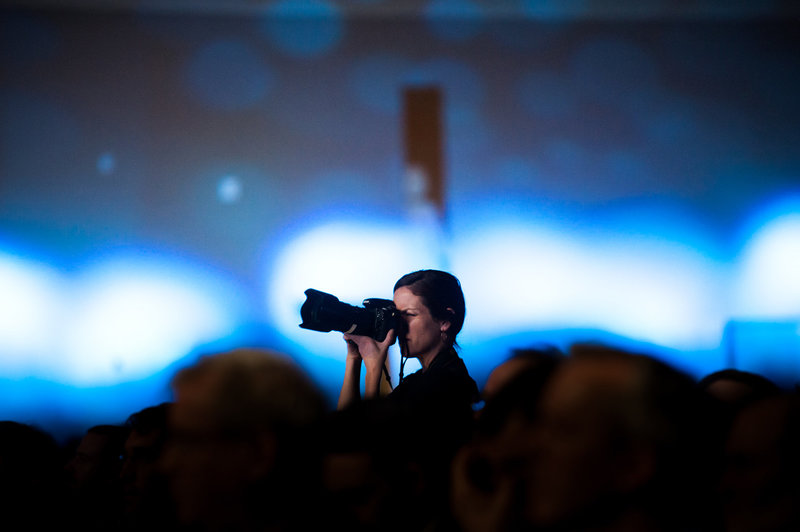

Corporate events are more than scheduled meetings and presentations. They bring professionals together to exchange ideas, strengthen business relationships, celebrate achievements, and create meaningful experiences. Whether an organization is hosting a conference, executive retreat, networking reception, incentive program, or company celebration, photography plays an important role in documenting the occasion.
A skilled Palm Springs event photographer can capture these experiences through a combination of creative storytelling, technical expertise, and thoughtful planning. Professional images preserve the atmosphere of an event while highlighting the people, activities, and details that make it memorable.
Palm Springs provides a particularly distinctive setting for corporate gatherings. Its dramatic mountain scenery, desert landscapes, luxury resorts, outdoor venues, and recognizable mid-century modern architecture create opportunities for photographs that feel both professional and visually engaging.
Understanding the different elements of corporate event photography can help businesses plan more effective coverage and create images that remain useful long after an event concludes.
Why Professional Photography Matters for Corporate Events
Planning a corporate event requires significant coordination.
Organizations must manage venues, speakers, attendees, catering, branding, schedules, and technical production. Each element contributes to the overall experience.
Professional photography documents these efforts while creating visual assets that can serve future business needs.
High-quality images can support marketing campaigns, social media content, public relations, internal communications, recruitment materials, and future event promotions.
They also help organizations communicate the value of an event to people who could not attend.
Rather than simply recording what happened, thoughtful photography helps explain why the gathering mattered.
What Makes Palm Springs Unique for Corporate Photography?
Palm Springs is known for its distinctive combination of natural scenery and architectural character.
The surrounding mountains create dramatic backdrops, while palm-lined streets, landscaped resort grounds, and desert gardens contribute to the area’s visual identity.
Many venues feature open-air courtyards, pools, terraces, and indoor spaces designed to connect with the surrounding environment.
Mid-century modern architecture also provides recognizable geometric lines, textures, and design elements.
These characteristics give photographers opportunities to create images that establish a strong sense of place.
A wide photograph of a networking reception against the mountains, for example, can communicate both the event’s atmosphere and its destination.
Creating a Complete Visual Story
Effective corporate event photography involves more than taking individual pictures of attendees.
A strong image collection should communicate the event’s beginning, development, and conclusion.
Coverage may start with venue exteriors, registration areas, welcome signage, branded installations, and room preparations.
As attendees arrive, photographs can capture greetings, introductions, and early conversations.
During the event, attention shifts to presentations, workshops, networking sessions, meals, entertainment, and special announcements.
The final gallery should help viewers understand the overall experience rather than presenting disconnected moments.
Photographing Corporate Conferences
Conferences are among the most common reasons businesses organize professional gatherings in Palm Springs.
These events may include keynote presentations, panel discussions, breakout sessions, workshops, and networking activities.
Each part of the program requires a slightly different photographic approach.
Wide images can establish the scale of a conference room and show audience participation.
Closer photographs can highlight speakers, facial expressions, gestures, and interactions.
Audience reactions also provide valuable context.
Photographs of attendees listening, asking questions, taking notes, or applauding can communicate engagement and interest.
The goal is to document both the information being presented and the people experiencing it.
Capturing Keynote Speakers and Presentations
Keynote speakers often represent important moments within a corporate event.
Their presentations may introduce new ideas, communicate company strategies, or inspire attendees.
Photographers should anticipate expressive gestures, meaningful interactions, and changes in presentation style.
A strong speaker image may include the stage environment, presentation graphics, or audience members in the foreground.
Other photographs may focus closely on the speaker’s expression.
Different perspectives create variety and provide organizations with images suitable for multiple uses.
Speaker photography is particularly valuable for conference recaps, press announcements, promotional materials, and future event marketing.
Executive Retreats and Leadership Meetings
Palm Springs is a popular setting for executive retreats and leadership gatherings.
These events often emphasize strategic discussions, collaboration, relationship building, and professional development.
Photography should reflect the focused nature of these activities.
Images may show executives participating in workshops, discussing ideas, working in small groups, or engaging in team-building exercises.
Discretion is especially important when meetings involve confidential information.
Photographers should understand which sessions can be documented and which discussions require privacy.
When the retreat includes outdoor activities or evening receptions, the visual story can expand to include more relaxed interactions.
Photographing Networking Receptions
Networking receptions create opportunities for professionals to establish new relationships and reconnect with colleagues.
These interactions are often informal and spontaneous.
Photographers can capture handshakes, conversations, laughter, introductions, and small-group discussions.
Natural expressions are particularly important because they communicate the energy of the gathering.
However, candid photography still requires technical skill.
Crowded backgrounds, inconsistent lighting, and constant movement can make it challenging to create clean compositions.
An experienced photographer anticipates interactions and works discreetly to preserve authentic moments.
Corporate Incentive Programs and Team Experiences
Incentive programs are designed to recognize achievements, motivate employees, or reward business partners.
Palm Springs offers a variety of settings for these experiences, including resort activities, outdoor gatherings, group dinners, and recreational programs.
Photography can document both the planned activities and the emotions surrounding them.
Images of participants enjoying shared experiences help communicate appreciation, teamwork, and company culture.
For organizations, these photographs can also become valuable recruitment and internal communication materials.
They demonstrate how the company recognizes contributions and encourages professional relationships.
Capturing Awards Ceremonies and Company Celebrations
Corporate celebrations often include important moments of recognition.
Employees may receive awards, teams may celebrate milestones, and executives may acknowledge significant achievements.
Photographers need to anticipate the timing of these moments.
Award presentations, handshakes, applause, and group photographs are often essential.
Candid reactions can add emotional depth to the gallery.
A photograph of colleagues celebrating an achievement may communicate company culture more effectively than a formal stage image alone.
Combining both styles creates a more complete record of the occasion.
Using Desert Landscapes as Natural Backdrops
The desert environment is one of the most recognizable visual features of Palm Springs.
Mountain views, palm trees, open skies, and warm earth tones can enhance the atmosphere of event photographs.
Photographers may incorporate these surroundings into wide compositions or use them as subtle background elements.
However, the landscape should support the event story rather than distract from it.
For example, a photograph of attendees networking on a terrace can highlight both the professional interaction and the surrounding scenery.
This approach creates images that communicate a sense of destination while keeping people at the center of the story.
Understanding Natural Light in Palm Springs
Desert lighting can be visually striking, but it also presents challenges.
Bright midday sunlight may create strong shadows and high contrast.
Reflective surfaces, light-colored architecture, and open outdoor spaces can further influence exposure.
Photographers must adjust their approach based on the time of day and location.
Morning and late-afternoon light may provide softer conditions for outdoor photographs.
Indoor events require a different strategy, particularly when large windows create uneven lighting.
Understanding these changes helps maintain consistent image quality throughout the event.
Photographing Outdoor Corporate Events
Palm Springs is well suited to outdoor receptions, dinners, networking activities, and corporate celebrations.
Outdoor photography allows photographers to incorporate architecture, landscaping, and natural scenery.
However, environmental conditions require preparation.
Strong sunlight, wind, changing temperatures, and evening lighting can influence equipment choices and shooting techniques.
Photographers should also consider how guests move through the venue.
Capturing the event from different positions can help communicate the overall environment without interrupting attendees.
The Importance of Creative Composition
Composition is essential to professional event photography.
It determines how subjects, backgrounds, and visual elements work together.
A photographer may use architectural lines, natural framing, foreground details, or changes in perspective to guide the viewer’s attention.
Wide photographs establish the environment.
Medium compositions highlight interactions.
Close-up images emphasize expressions, gestures, and details.
Using these approaches together creates a varied gallery that feels cohesive.
Creative photography should enhance the event’s story while remaining authentic to what happened.
Documenting Corporate Branding
Branding is often a major component of business events.
Organizations may invest in custom signage, stage graphics, sponsor displays, branded merchandise, presentation screens, and decorative installations.
These elements should be documented clearly.
However, effective photography can also incorporate branding naturally into images of people and activities.
For example, a photograph of attendees conversing near a branded display may communicate both engagement and corporate identity.
Images of event materials, registration areas, and stage designs also help preserve the visual details of the gathering.
Balancing Candid and Posed Images
Corporate events benefit from a combination of candid and posed photography.
Candid images capture genuine interactions and spontaneous moments.
Posed photographs provide clear documentation of important participants.
Organizations may need formal images of executives, speakers, sponsors, award recipients, or leadership teams.
The ideal balance depends on the event’s goals.
A networking reception may require more candid coverage, while an awards ceremony may involve several planned group photographs.
Photographers should understand these priorities before the event begins.
Photography for Corporate Marketing
Professional event photographs can support a wide range of marketing activities.
Organizations may use images to promote future conferences, demonstrate event attendance, highlight speakers, or showcase business partnerships.
High-quality photographs can also strengthen website content and promotional presentations.
A diverse gallery provides greater flexibility.
Wide images can support website banners, while close-up photographs may work well in social media posts.
Vertical compositions may be useful for mobile-oriented content.
Planning for these formats in advance helps organizations get more value from the final images.
Supporting Social Media Engagement
Social media provides businesses with opportunities to share event highlights and connect with audiences.
Professional photographs can communicate the atmosphere of a gathering more effectively than text alone.
Images of engaged attendees, energetic presentations, attractive venues, and memorable celebrations can help audiences understand the experience.
Companies may share photographs during an event or use them in recap posts afterward.
Consistent visual quality also helps maintain a recognizable brand identity.
Photographs should be selected based on the intended message rather than simply choosing the most visually dramatic images.
Using Event Images for Public Relations
Corporate gatherings may include important announcements, partnerships, leadership presentations, or product introductions.
Photographs can support press releases, media coverage, and company news.
Images intended for public relations should clearly communicate the subject and provide useful context.
For example, a photograph of executives making an announcement may be more effective when the relevant branding or event setting is visible.
Clean compositions and accurate identification of participants can make images easier to use in professional communications.
Strengthening Internal Communications
Event photography is not only useful for external marketing.
Organizations can use photographs in employee newsletters, internal presentations, recognition programs, and company updates.
Images from leadership retreats can highlight collaboration.
Conference photographs can demonstrate professional development.
Celebration images can recognize employee achievements.
These visual records help communicate company culture and preserve important organizational milestones.
They can also allow employees who were unable to attend to feel more connected to the experience.
Planning Photography Coverage Before the Event
Preparation is one of the most important factors in successful event photography.
Organizers should communicate the event schedule, venue layout, and photography priorities in advance.
A useful photography brief may identify:
- Keynote speakers
- Executive participants
- VIP attendees
- Awards presentations
- Group photographs
- Sponsor displays
- Networking sessions
- Special announcements
- Team activities
- Venue details
- Entertainment
- Important branding elements
The brief should also identify confidential sessions or areas where photography is restricted.
Clear planning helps photographers anticipate important moments and avoid unnecessary disruptions.
Coordinating With Event Planners and Venue Teams
Corporate photographers often work alongside event planners, production teams, audiovisual technicians, and venue staff.
Good communication supports smoother coverage.
For example, knowing when stage lighting will change can help a photographer prepare for a keynote presentation.
Understanding where speakers will enter or exit the stage can improve positioning.
Coordination is also important for group photographs, award presentations, and scheduled announcements.
A collaborative approach helps ensure that photography supports the event rather than interfering with it.
Choosing the Right Photography Style
Different corporate gatherings require different visual approaches.
A formal leadership conference may benefit from clean, polished images that emphasize professionalism.
A company celebration may call for more energetic photographs that highlight emotion and interaction.
An executive retreat may require a discreet documentary style.
An incentive event may emphasize the destination, shared experiences, and relaxed atmosphere.
The photography style should reflect the organization’s goals and the character of the gathering.
Discussing these expectations in advance helps create a more consistent final gallery.
Why Professional Equipment and Preparation Matter
Corporate events often move quickly.
Lighting conditions change, important moments happen unexpectedly, and photographers may need to move between multiple locations.
Professional preparation includes appropriate cameras, lenses, lighting equipment, memory storage, and backup systems.
Equipment alone does not guarantee strong photographs.
Experience, timing, communication, and technical judgment are equally important.
A prepared photographer can adapt to changing conditions while maintaining consistent image quality.
Creating a Useful Image Library
A corporate event gallery should provide more than a collection of attractive photographs.
It should contain images that serve different communication needs.
A useful library may include:
- Venue establishing shots
- Speaker photographs
- Audience engagement
- Executive interactions
- Networking moments
- Branded details
- Team activities
- Awards and celebrations
- Group portraits
- Environmental images
This variety allows businesses to select appropriate photographs for websites, social media, newsletters, presentations, and future promotions.
Extending the Value of Event Photography
The usefulness of professional event photography continues after the gathering ends.
Images can support conference recap campaigns, employee recognition programs, sponsorship reports, recruitment materials, and future event marketing.
Photographs from a successful retreat may help communicate company culture.
Conference images may demonstrate audience engagement and encourage future registrations.
Pictures from networking receptions can highlight professional relationships and industry participation.
By considering these uses before the event, organizations can create a more valuable collection of visual content.
Questions to Ask Before Hiring an Event Photographer
Choosing a photographer involves more than reviewing a portfolio.
Organizations should consider experience, reliability, communication, and the ability to work in different environments.
Useful questions include:
- Do you have experience photographing corporate events?
- Have you covered conferences, retreats, or networking receptions?
- How do you approach candid photography?
- Can you work in both indoor and outdoor lighting conditions?
- How do you coordinate with event planners?
- What information do you need before the event?
- How are photographs selected and edited?
- What is the expected delivery timeline?
- What usage rights are included?
- How do you prepare for equipment problems or schedule changes?
Clear answers help organizations understand what to expect.
Preserving the Experience of Corporate Events in Palm Springs
Palm Springs provides a distinctive environment for corporate conferences, executive retreats, networking receptions, incentive programs, and company celebrations.
Its desert landscapes, mountain scenery, luxury resorts, and recognizable architecture offer opportunities for photography that combines professional storytelling with a strong sense of place.
However, the most meaningful event photographs focus on people.
Speakers sharing ideas, executives collaborating, employees celebrating achievements, and attendees forming new relationships all contribute to the experience.
Professional photography brings these moments together through thoughtful planning, creative composition, technical expertise, and an understanding of business communication goals.
The resulting images can support marketing campaigns, public relations, social media engagement, recruitment, internal communications, and future event promotions.
When photography is approached as a strategic part of event planning, it becomes more than documentation.
It creates a lasting visual record of the relationships, achievements, and experiences that make corporate gatherings meaningful.
Palm Springs Event Photographer: Creating Memorable Visual Stories for Corporate Gatherings
