

Key Takeaways
- Hygiene protocols help protect funeral professionals and preserve the dignity of the deceased.
- Safety standards cover the handling of remains, equipment, chemicals, and waste disposal.
- Protective equipment and sanitisation procedures reduce the risk of contamination.
- Compliance with established procedures supports safe and efficient funeral operations.
- Families who understand the embalming process in Singapore can make more informed funeral decisions.
Introduction
The embalming process in Singapore follows established hygiene and safety procedures designed to protect funeral professionals, maintain a respectful environment, and prepare the deceased for viewing or funeral services where required. These standards cover every stage of the procedure, from receiving the deceased to disinfecting equipment and handling chemicals. Understanding these practices helps families appreciate the level of care involved while ensuring that funeral operations meet professional expectations.
Personal Protective Equipment and Infection Control
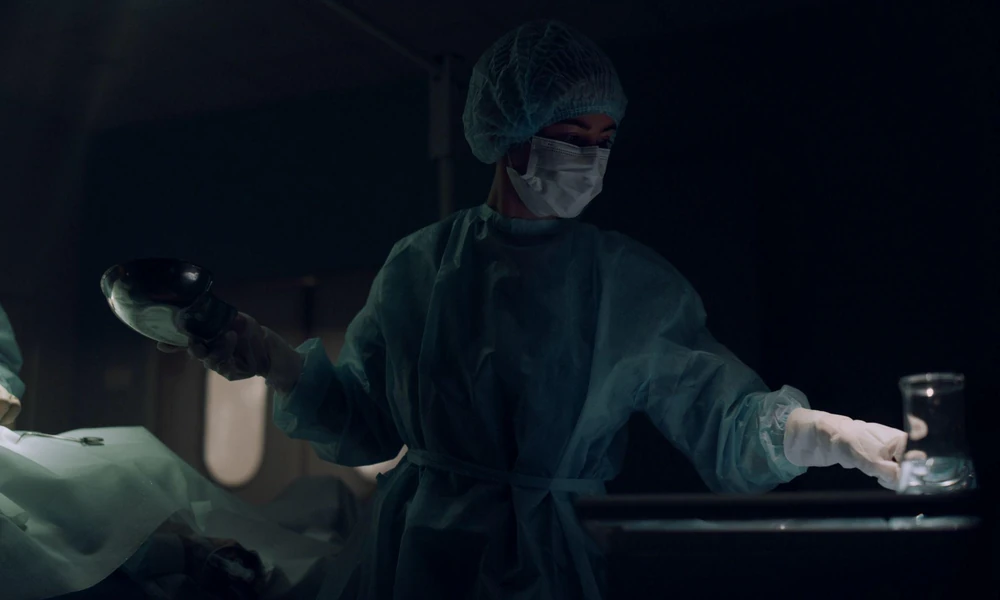
Personal protective equipment (PPE) forms the foundation of hygiene during embalming. Embalmers wear disposable gloves, protective gowns, face shields or goggles, and respiratory protection where appropriate to minimise exposure to bodily fluids and chemicals. PPE is changed or disposed of according to safety protocols to prevent cross-contamination between cases.
Work areas are cleaned before and after each procedure using approved disinfectants. Frequently touched surfaces, preparation tables, instruments, and transport equipment undergo thorough sanitisation. Hand hygiene remains equally important, with embalmers washing and disinfecting their hands before and after handling the deceased or changing protective equipment. These measures reduce biological risks while maintaining a clean working environment.
Safe Handling of Embalming Chemicals
Embalming involves the use of preservation chemicals that require careful handling. Funeral professionals receive training on proper storage, preparation, and application to reduce health risks. Chemicals are kept in clearly labelled containers and stored in designated areas with suitable ventilation. Staff follow manufacturer recommendations and workplace safety procedures when preparing embalming solutions.
Ventilation systems within embalming rooms help minimise exposure to chemical vapours. Equipment is routinely inspected to ensure it functions correctly and prevents leaks or accidental spills. Where spills occur, they are managed immediately using established containment and cleaning procedures. These practices protect staff while maintaining a safe workplace throughout the embalming procedure.
Equipment Sterilisation and Waste Management
All instruments used during embalming must be cleaned and disinfected after every procedure. Reusable tools undergo appropriate sterilisation before being used again, while single-use items are safely discarded after one use. Maintaining equipment in good condition also reduces the risk of accidental injury and supports consistent professional standards.
Waste generated during embalming, including contaminated materials and disposable protective equipment, is segregated and disposed of according to applicable health and environmental requirements. Proper waste management prevents contamination within funeral facilities and contributes to safe working conditions. Documentation of cleaning schedules and disposal procedures further supports accountability and quality control.
Respectful Care Throughout Funeral Preparation
Hygiene standards extend beyond health protection and also reflect respect for the deceased. Throughout preparation, professionals handle the body carefully while maintaining privacy and dignity. Clean preparation areas and orderly procedures create an environment that supports respectful funeral arrangements and provides reassurance to families.
After embalming has been completed, preparations continue according to the family’s wishes. This may include dressing the deceased, applying appropriate grooming, and coordinating casket services in Singapore to ensure the presentation aligns with cultural, religious, or personal preferences. Hygiene practices continue during these stages to maintain cleanliness until the funeral service takes place.
Continuous Training and Quality Assurance
Funeral professionals regularly update their knowledge of workplace safety, infection control, and embalming techniques. Ongoing training helps staff remain familiar with current industry practices and reinforces the importance of following established procedures consistently. Internal inspections and routine reviews of operating procedures allow funeral providers to identify areas for improvement and maintain reliable service standards.
Quality assurance also involves maintaining accurate records of procedures, equipment maintenance, and staff training. These records demonstrate a commitment to professional practice while supporting operational consistency. Families may not see these processes directly, but they contribute significantly to the overall safety and reliability of funeral services.
Conclusion
Hygiene and safety standards are essential throughout the embalming process, protecting both funeral professionals and the dignity of the deceased. From infection control and chemical handling to equipment sterilisation and waste management, each procedure follows structured protocols designed to minimise risks and maintain professional standards. Understanding these practices gives families greater confidence in the embalming process and the coordination of casket services in Singapore, ensuring funeral preparations are carried out safely, respectfully, and professionally.
Connect with Casket FairPrice to make funeral arrangements that reflect your family’s wishes.
