
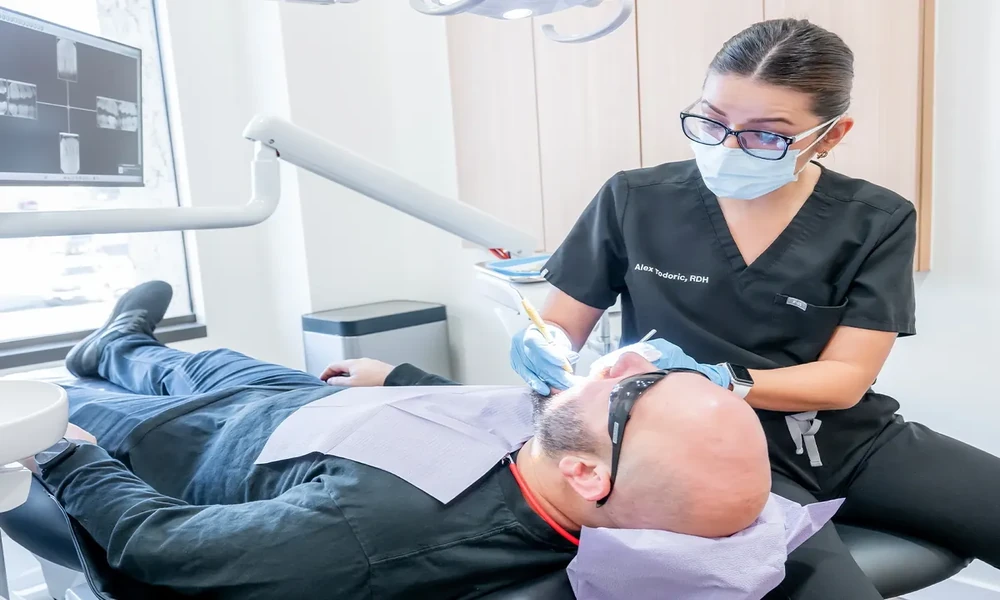

You book the cleaning, shuffle everyone’s schedules, and hope the appointment stays simple. Then a hygienist mentions fluoride, sealants, X rays, or bite issues, and suddenly a routine visit feels less routine. That stress is common, especially when choosing a dentist in Stone Oak. Most families are not avoiding care. They are trying to sort out what their child or household actually needs, what can wait, and what protects both health and budget.
The good news is that preventive dental care is usually straightforward when you know what to ask about. A strong family dentist does more than clean teeth. They track cavity risk, gum health, enamel strength, bite changes, and habits that can turn into bigger problems later. When these conversations happen at every visit, small issues stay small.
Preventive dental care works best when families ask about more than cleanings
Many people think prevention means brushing, flossing, and showing up twice a year. That is part of it, but it misses the full picture. Cavities can start before pain does. Gum irritation can build slowly. Kids can have deep grooves in back teeth that trap food even when they brush well. Adults can grind at night and not realize it until enamel wears down or a tooth cracks.
This is why 6 Preventive Dentistry Treatments Families Should Discuss At Every Visit is more than a catchy checklist. It reflects what actually changes outcomes. If you wait until something hurts, treatment usually gets more invasive and more expensive.
Start with professional cleanings and exams. Cleanings remove hardened plaque that brushing cannot lift at home. Exams catch weak spots early, including tiny cavities, early gum disease, and signs of clenching or grinding. For children, the CDC’s oral health tips for children reinforce how early habits and regular visits shape long term oral health.
Fluoride treatment is another conversation worth having every time. Fluoride helps strengthen enamel and can lower the risk of decay, especially for kids, teens with braces, adults with dry mouth, and anyone with a recent history of cavities. If your family drinks mostly bottled water or has had several fillings in the last few years, that detail matters. It can shift the dentist’s recommendation from optional to smart prevention.
Dental sealants often come up for children, but many parents are not sure what they do. Sealants coat the chewing surfaces of molars, where grooves hold food and bacteria. They do not replace brushing. They add a layer of protection where toothbrush bristles often miss. The CDC’s information on dental sealants explains that sealants can prevent many cavities in molars, which is why they are often discussed once permanent back teeth come in.
X rays can feel easy to postpone, especially when a child seems fine or an adult has no pain. The problem is that decay between teeth, bone loss, and some developing issues do not show up during a visual exam alone. That does not mean every visit needs imaging. It means your family dentist should explain why an X ray is or is not needed based on age, history, and risk.
Gum evaluations belong on the list too. Parents often focus on cavities and miss bleeding gums, recession, or chronic inflammation in adults. Gum disease can start quietly. If you notice bleeding when flossing, bad breath that lingers, or tenderness near the gumline, that is worth raising at the appointment instead of brushing off.
The sixth area is bite and habit assessment. Thumb sucking, mouth breathing, teeth grinding, nail biting, and jaw clenching all leave clues. In kids, these habits can affect tooth position and jaw development. In adults, they can lead to headaches, worn enamel, and sensitivity. This is where family preventive dental treatments become personal. The right discussion depends on how your family actually lives, sleeps, eats, and brushes.
Comparing the most common preventive dentistry treatments helps families plan ahead
| Treatment | Who Often Benefits | What It Helps Prevent | When to Discuss It |
|---|---|---|---|
| Professional cleaning and exam | Children, teens, adults, seniors | Tartar buildup, early decay, gum problems | Every routine visit |
| Fluoride treatment | Kids, teens with braces, adults with dry mouth or cavity history | Enamel weakening and new cavities | At each checkup if risk is elevated |
| Dental sealants | Children and teens with permanent molars | Cavities in deep grooves of back teeth | When molars erupt and during follow ups |
| Dental X rays | Patients with cavity risk, growth changes, or hidden symptoms | Missed decay, bone loss, impacted teeth | Based on age, history, and symptoms |
| Gum evaluation | Adults, teens, anyone with bleeding or bad breath | Gingivitis and periodontal disease | Every visit, especially if symptoms appear |
| Bite and habit assessment | Kids with oral habits, adults who grind or clench | Tooth wear, jaw strain, alignment issues | Any time changes in bite, wear, or pain show up |
If you want a broad, reliable overview of oral health topics before your next visit, MedlinePlus dental health resources can help you sort through common conditions and treatments without the noise.
Simple steps make preventive dentistry easier to manage
Bring a short health update. Write down any new sensitivity, bleeding, dry mouth, mouth breathing, grinding, or changes in medication. A two minute summary gives your dentist context that can change the treatment plan.
Ask what is needed now and what can be monitored. Not every recommendation carries the same urgency. Some treatments protect a high risk tooth right away. Others can be watched. This helps you prioritize care without feeling pushed.
Make prevention specific to each family member. A seven year old with new molars, a teen with braces, and a parent with gum irritation do not need the same plan. The best preventive dentistry treatments are tailored, not copied from one person to the next.
Consistent conversations with a family dentist protect both health and budget
You do not need to master every dental term before an appointment. You just need to know which topics deserve a real discussion. Cleanings, fluoride, sealants, X rays, gum checks, and bite or habit assessments cover the concerns that most often lead to bigger treatment later when they are ignored.
If your family has a dental visit coming up, use this list and ask for a clear prevention plan for each person in the chair. A trusted family dentist can help you decide what makes sense now, what can wait, and how to keep future care simpler and less expensive.
6 Preventive Dentistry Treatments Families Should Discuss At Every Visit
