

Photography continues to evolve at an impressive pace as technology advances and creative demands shift. What was once limited to traditional cameras and film has now expanded into a digital world of artificial intelligence, mobile photography, and immersive experiences. Staying updated with the latest trends and tools helps photographers remain competitive and creative, no matter their niche. From social media influence to cutting-edge software, here are some of the top digital photography trends and tools shaping the industry today.
Mobile Photography on the Rise
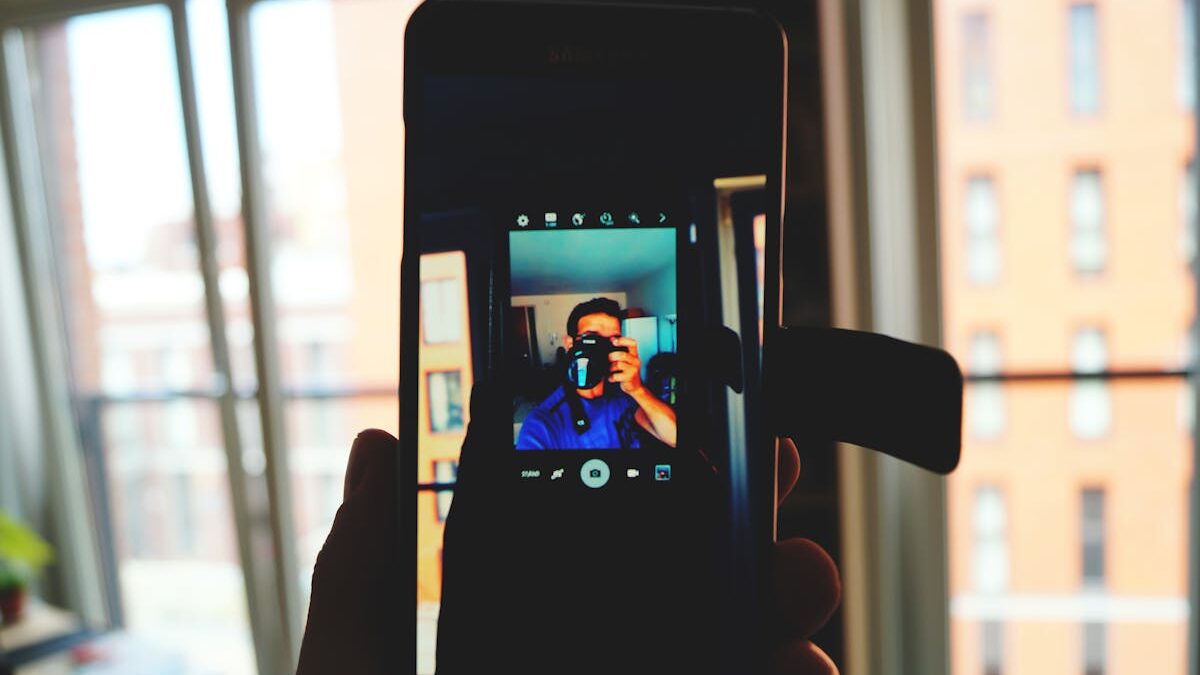
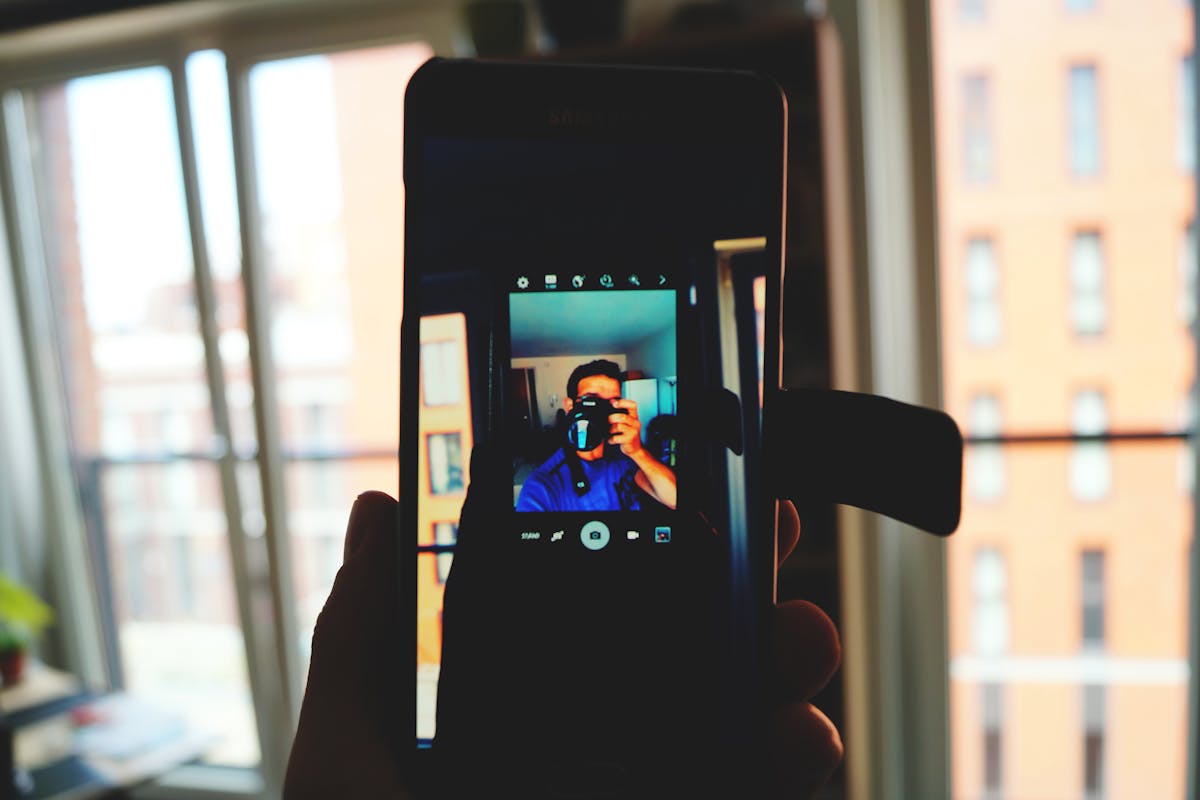
Smartphones have redefined photography by putting powerful cameras in everyone’s pockets. Today’s flagship devices come equipped with multiple lenses, night modes, and AI-driven features that rival entry-level DSLRs. Mobile photography is no longer just about convenience—it is now a legitimate creative outlet. Social media platforms like Instagram and TikTok further fuel this trend by rewarding visually engaging content. As editing apps become more advanced, mobile photography will continue to grow as both a professional and personal tool.
AI and Machine Learning in Photography
Artificial intelligence has transformed digital photography workflows. From automatic scene recognition in cameras to AI-powered editing tools, machine learning streamlines both shooting and post-processing. Tools like Adobe Photoshop’s AI generative features and Luminar Neo’s sky replacement simplify complex edits that once required hours of manual work. AI also enhances image quality by reducing noise, sharpening details, and improving low-light shots. For photographers, this trend means less time spent on repetitive tasks and more focus on creative expression.
Drone Photography Expands Horizons
Drones have opened up new creative possibilities by providing unique aerial perspectives. Once restricted to specialized professionals, drone technology has become more affordable and accessible. Real estate photographers, event videographers, and travel creators are increasingly incorporating drone shots to stand out. Compact drones with high-resolution cameras and intelligent flight modes make capturing cinematic footage easier than ever. This trend highlights the demand for visuals that provide viewers with fresh, immersive experiences.
Mirrorless Cameras Dominate
Mirrorless cameras have steadily replaced traditional DSLRs, thanks to their compact design, fast performance, and advanced features. Companies like Sony, Canon, and Nikon have invested heavily in mirrorless systems, producing models with improved autofocus, higher frame rates, and exceptional video capabilities. Photographers are drawn to mirrorless cameras for their versatility, whether shooting portraits, landscapes, or hybrid photo-video projects. This shift toward mirrorless technology is one of the most significant long-term trends in photography.
Virtual and Augmented Reality Photography
The rise of VR and AR technologies has introduced new storytelling opportunities. Photographers are experimenting with 360-degree cameras and immersive content to create experiences that go beyond static images. From virtual tours of museums to augmented reality filters on social media, visual content is becoming more interactive and engaging. For brands and content creators, adopting VR and AR photography tools allows for innovative campaigns that captivate audiences in fresh ways.
Emphasis on Authentic Storytelling
As digital spaces become more saturated with highly polished content, audiences increasingly value authenticity. This trend has led photographers to focus on real emotions, candid moments, and unfiltered narratives. Lifestyle photography, documentary-style portraits, and behind-the-scenes shots resonate strongly with viewers. Rather than relying solely on perfection, the goal is to tell stories that feel relatable and human. Tools that simplify quick editing and instant sharing help support this demand for authenticity.
Creative Lighting and Portable Gear
Lighting has always been central to photography, but modern tools make it easier to experiment on the go. Portable LED panels, ring lights, and compact strobes allow photographers to control environments with minimal setup. Creative lighting trends such as neon accents, colored gels, and moody low-light scenes continue to dominate visual storytelling. These tools not only enhance quality but also give photographers more flexibility when shooting in diverse environments.
Event Photography Trends
Event photography is also embracing new trends, especially with interactive elements that engage participants directly. Guests expect both high-quality coverage and fun, memorable experiences. That’s why many modern events incorporate setups photo Booth rental Atlanta, which blends technology with creativity. These booths often feature instant sharing, filters, and custom backgrounds, making them a popular way to combine entertainment with photography. For professionals, it also represents a growing opportunity to diversify services.
Cloud-Based Storage and Collaboration
As digital files become larger and workflows more collaborative, cloud-based solutions are becoming essential. Photographers now rely on platforms like Dropbox, Google Drive, and Adobe Creative Cloud to store and share work. Cloud storage not only secures files but also simplifies collaboration with clients and teams. This trend is especially important for freelancers and businesses managing multiple projects across different locations.
Sustainable Photography Practices
With growing awareness of environmental issues, sustainability is influencing photography as well. From reducing printed proofs to using rechargeable batteries and eco-friendly packaging for client products, photographers are becoming more conscious of their environmental impact. Some professionals even market their services with sustainability as a core value, appealing to eco-conscious clients. Digital tools that minimize waste support this growing trend.
Conclusion
Digital photography is an ever-changing landscape where new trends and tools constantly emerge. From AI-powered editing and drone photography to authentic storytelling and sustainable practices, photographers have more options than ever to elevate their craft. Mobile technology, mirrorless cameras, and immersive VR experiences continue to shape how stories are told visually. Meanwhile, event photography and interactive tools highlight the importance of engaging audiences directly. Staying ahead of these trends allows photographers not only to create stunning images but also to connect more meaningfully with viewers in today’s fast-paced digital world.
