
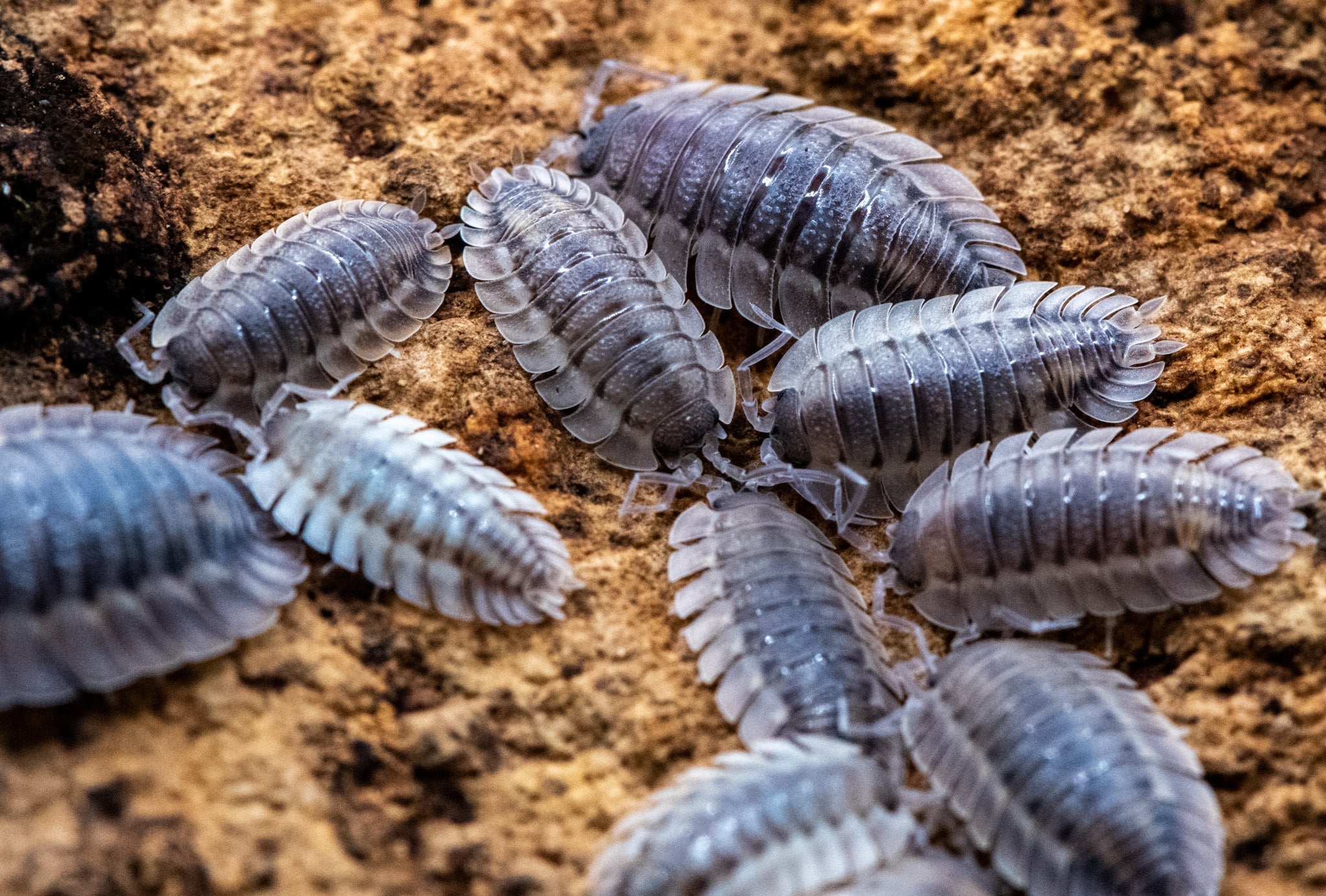

Tiny creatures play a vital role in keeping surroundings balanced by breaking down decaying matter while improving soil texture. Isopods help control unwanted fungal growth that might otherwise harm natural habitats. They assist in cleaning their space by feeding on decomposing materials, ensuring moisture levels stay stable, which limits mold development. Their steady routine supports ecological strength through natural recycling, learn more about their fascinating role when you Visit postpods.
Soil Balance through Decomposition
Isopods consume dead leaves and organic particles, converting them into nutrients that restore soil strength. Their activity prevents waste from piling up, creating a cleaner surface layer. They aerate the ground, which allows roots to breathe easily while helping microorganisms grow better. This continuous renewal keeps the surroundings steady by avoiding excess dampness.
Moisture Control and Air Flow
These small scavengers regulate damp conditions by absorbing and releasing water carefully. Isopods ensure humidity remains steady within their shelter, avoiding fungal increase. By keeping the air circulating inside soil pockets, they maintain a pleasant environment. Such actions allow plants and microbes to flourish safely without mold spreading.
Waste Breakdown and Nutrient Cycle
The natural cleaning process performed by isopods helps maintain the nutrient loop essential for plant survival. They recycle leftover fragments producing rich organic matter for future growth. Their habit of constant movement supports even distribution of minerals across soil layers. This helps ecosystems stay fertile and reduces harmful decay.
Microbial Interaction and Growth
Isopods create spaces that support microorganisms, which further improve the environment. They assist in breaking complex matter that microbes can then process smoothly. This partnership keeps the structure of the soil light and porous. The presence of Dairy cow woodlice highlights how nature blends different species for ecological improvement.
Environmental Harmony and Natural Cleaning
Isopods display natural discipline when organizing their surroundings, keeping them free from unwanted buildup. Their cleaning role ensures sustainable conditions for other living organisms to thrive. They maintain steady airflow moisture and soil nutrients through their daily actions. Below are some ways their influence stays beneficial.
- Small decomposers turn waste into soft, nourishing soil layers.
- Gentle burrowers open ground spaces, letting air move between roots.
- Active cleaners reduce mold by shifting damp soil to dry zones.
- Quiet workers mix decayed parts, forming balanced natural compositions.
- Skilled recyclers enrich soil texture by spreading fine organic bits.
Healthy surroundings rely on continuous renewal where small organisms work silently. Their method of recycling organic matter ensures better soil layers and prevents harmful mold growth. They display quiet endurance that shapes strong ecological systems. By maintaining airflow and moisture, they protect the living cycle from imbalance. Such consistency nurtures healthier spaces through natural cleaning and resource sharing.
