
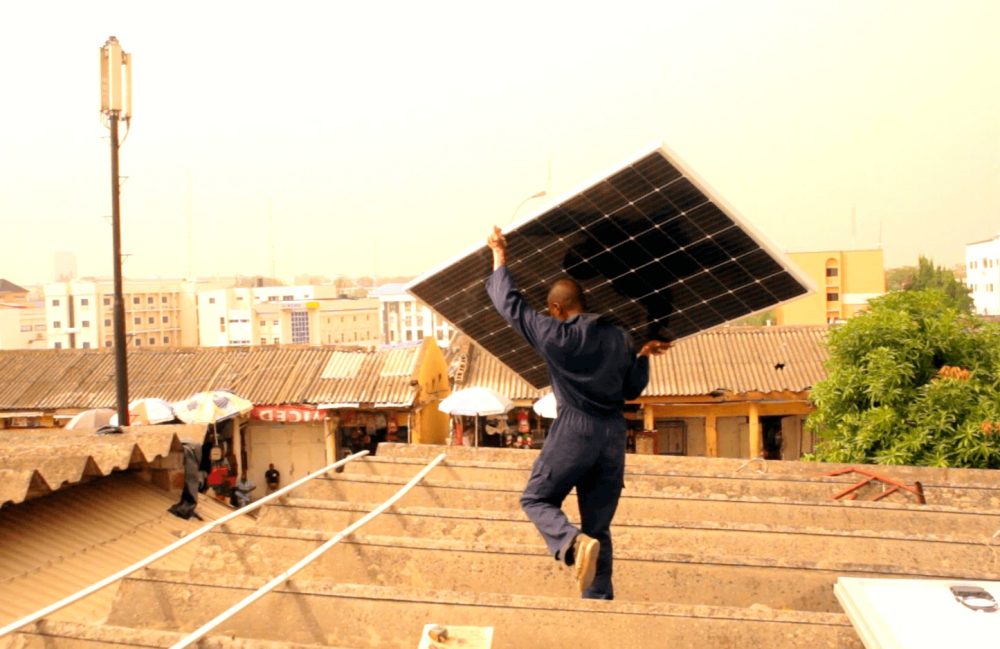

As the global demand for clean energy surges, businesses and individuals alike are seeking solutions that align with sustainability, cost-efficiency, and innovation. At the forefront of this movement stands Aardvark Electric, a pioneering force in the renewable energy sector. With a commitment to delivering cutting-edge energy systems and empowering communities, Aardvark Electric is revolutionizing the way we think about and consume electricity.
This blog explores the foundations and advancements in renewable energy, Aardvark Electric’s role in shaping this future, and how sustainable practices are transforming our everyday lives. From smart grid technologies to community-powered solar projects, we’ll examine how energy is evolving—and how we can all play a part.
Unearthing Renewable Energy’s Core Principles
The Renewable Revolution’s Evolutionary Path
The energy landscape has transformed remarkably over recent decades, especially with renewable technologies’ ascent. This evolution began with solar panels’ 1950s debut, garnering initial apathy due to high costs and inefficiency. However, as technology advanced and environmental awareness grew, solar gained favor. By 2000, photovoltaics’ significant strides cut costs and boosted efficiency, making solar power accessible to homeowners and enterprises.
Similarly, wind underwent a remarkable metamorphosis. Once relying on small turbines capturing wind energy, today’s mammoth turbines generate megawatts in sprawling wind farms. Advancements like computer-aided aerodynamics have boosted efficiency and significantly reduced costs. This progress has positioned wind energy as a crucial player in the global sustainability transition.
In recent years, innovations in energy storage—particularly lithium-ion batteries—have revolutionized renewable systems. Storing surplus energy generated during peak times ensures a consistent power supply, even when production dips. As a result, consumers can rely on renewables around the clock, bridging the gap between supply and demand.
How Sustainable Practices Impact Our Daily Lives
Energy Consumption and Environmental Awareness
Sustainability has firmly rooted itself as a pivotal concept in modern discussions surrounding energy, economics, and environmental health. It touches every aspect of daily life—from the electricity that powers homes to the products we buy and how we dispose of waste.
One of the most impactful shifts in sustainability is in how we consume energy. Transitioning to sources like solar, wind, and hydroelectric power dramatically reduces carbon footprints, mitigating climate change’s long-term effects. These clean technologies provide cleaner air, water, and ecosystems, ultimately improving quality of life.
Collective Accountability and Community Engagement
Sustainable energy practices promote a heightened sense of accountability among consumers. Switching from fossil fuels to renewable sources encourages people to consider the full lifecycle of their choices—how energy is created, used, and eventually recycled or reused. This awareness often evolves into collective action: communities band together to invest in shared solar programs or form energy cooperatives.
This trend has reshaped how cities approach infrastructure, transportation, and even agriculture. Municipal leaders and urban planners now factor sustainability into zoning, mobility solutions, and green space design, promoting resilience and environmental stewardship.
Economic Growth and Job Creation
Sustainability also fuels economic growth and workforce diversification. Transitioning to renewable energy requires a sizable labor force—not just for installation, but for research, development, logistics, and ongoing energy management. This demand creates countless job opportunities, revitalizing local economies and reducing reliance on volatile fossil fuel markets.
Aardvark Electric: Revolutionizing Energy Solutions
Innovative Technologies Leading the Evolution
Aardvark Electric has positioned itself as a trailblazer in renewable energy technology by adopting and developing sophisticated systems that change the way power is produced, stored, and consumed. A cornerstone of their mission is the integration of smart grid systems, which use digital technologies to monitor and balance electricity from multiple sources. This makes power distribution more efficient, reduces outages, and allows for predictive maintenance.
Going beyond traditional solar panels, Aardvark Electric invests in next-generation solutions like tandem solar cells and perovskite materials. These innovations promise higher efficiency and lower costs, making solar energy more attainable and economically sensible. They are also exploring artificial intelligence to fine-tune energy management and enable smart demand-response capabilities, ensuring energy is used when it’s most affordable and available.
Battery storage remains another crucial focus area. Aardvark Electric is testing lithium-sulfur and solid-state batteries to boost energy storage capabilities. These technologies could allow households and businesses to store more power, reduce dependence on the grid, and increase energy security during emergencies or market fluctuations.
Case Studies: Transforming Communities One Project at a Time
Greenhaven’s Civic Energy Revolution
One standout project led by Aardvark Electric took place in Greenhaven, a mid-sized city seeking to overhaul its energy system. The company helped transition the city’s entire civic complex to solar energy, which reduced municipal energy bills by 40%. Surplus electricity generated by the system is sold back to the grid, creating a new revenue stream that is reinvested into public services and infrastructure.
This project not only slashed operational costs but also turned Greenhaven into a model of municipal sustainability. As a result, the city has attracted eco-tourists and businesses eager to align with green values, further energizing the local economy.
Agricultural Empowerment in the Midwest
Another impactful initiative by Aardvark Electric focused on rural agricultural cooperatives in the American Midwest. Farmers in these areas face high electricity costs for irrigation and grain-drying facilities. Aardvark implemented solar array systems tailored to agricultural needs, which have significantly cut energy costs and boosted profit margins for local farms.
By enabling small farmers to access shared renewable infrastructure, these cooperatives provide a scalable model for other rural communities nationwide. This collaboration empowers small businesses, supports food production, and reduces the agriculture sector’s environmental footprint.
Urban Infrastructure Overhaul in California
In urban settings, Aardvark Electric excels at retrofitting outdated energy infrastructure. A recent collaboration with a California city involved replacing its entire public lighting network with solar- and wind-powered LED systems. The project not only curbed energy waste but also enhanced nighttime visibility, improving community safety and reducing municipal lighting costs.
The Financial Benefits of Going Green
Understanding Cost Savings with Sustainable Energy
Although switching to renewables may seem costly initially, the long-term financial returns are substantial. Installing solar panels, for example, can help homeowners reduce electricity bills by 70% or more. Over time, these savings often exceed the system’s installation cost, especially as solar technology becomes cheaper and more efficient.
With net metering programs, excess electricity can be sold back to the grid, allowing homeowners to earn passive income. Over a 20- to 25-year lifespan, a well-maintained solar setup can save tens of thousands of dollars.
Businesses also benefit. Energy-efficient strategies help reduce operational costs, and embracing sustainability boosts brand reputation—an increasingly important factor for consumers and investors alike. Aardvark Electric works with both residential and commercial clients to develop tailored energy strategies that maximize long-term returns.
Incentives and Tax Breaks for Eco-Conscious Choices
Federal and state governments have developed generous incentives to accelerate the adoption of renewable energy. In the U.S., the Investment Tax Credit (ITC) allows homeowners and businesses to deduct a significant portion of their solar installation costs from their federal taxes.
Some states supplement these savings with cash rebates, low-interest loans, and property tax exemptions. Utility companies often offer rebates for energy audits or help finance efficient heating, lighting, and insulation upgrades. Together, these programs drastically lower the financial barriers to entry for green technology.
Community solar and green financing options are also making renewables more accessible. Aardvark Electric supports programs that allow renters and those without suitable rooftops to invest in shared solar installations. Green loans—offering low interest rates and favorable terms—make renewable investments even more viable.
Engaging with the Future: The Role of Consumers
Empowering Individuals to Make Sustainable Choices
While governments and corporations play pivotal roles in transitioning to renewable energy, individual consumers have more influence than they might realize. Every decision—from choosing energy-efficient appliances to investing in rooftop solar—contributes to a cleaner future.
Public education is key. When individuals understand how their actions affect the environment, they’re more likely to adopt sustainable habits. Aardvark Electric supports educational campaigns, community workshops, and digital platforms that spread awareness and promote energy literacy.
Social media and digital tools further enable individuals to advocate for renewable energy and share resources. Consumers can also participate in policy discussions, apply for energy-efficiency grants, or join local green groups—making sustainability a daily practice.
The Importance of Community in Renewable Energy Initiatives
Renewable energy initiatives are most effective when supported by strong community engagement. Localized projects—such as solar gardens or wind co-ops—create economic benefits, reduce environmental impact, and foster a sense of shared purpose.
By pooling resources, communities can undertake large-scale projects that individuals could not manage alone. Residents often contribute financially or volunteer time, fostering a sense of ownership and trust that enhances project success.
Community-driven initiatives also boost resilience in the face of climate change. Collaborative energy systems provide backup power during outages and reduce dependency on centralized utilities. They also encourage equity, ensuring that all members—regardless of income—can benefit from clean energy.
The global shift toward sustainability is not just a trend—it’s a necessity. Companies like Aardvark Electric are leading this transformation by delivering innovative, accessible, and effective renewable energy solutions to homes, businesses, and entire communities.
Whether you’re a homeowner looking to reduce your energy bills, a city planner designing eco-friendly infrastructure, or simply someone eager to make a difference, the tools and opportunities are already here. With smart investments and active community engagement, we can build a future powered by clean, resilient energy systems—and Aardvark Electric is lighting the way.
