
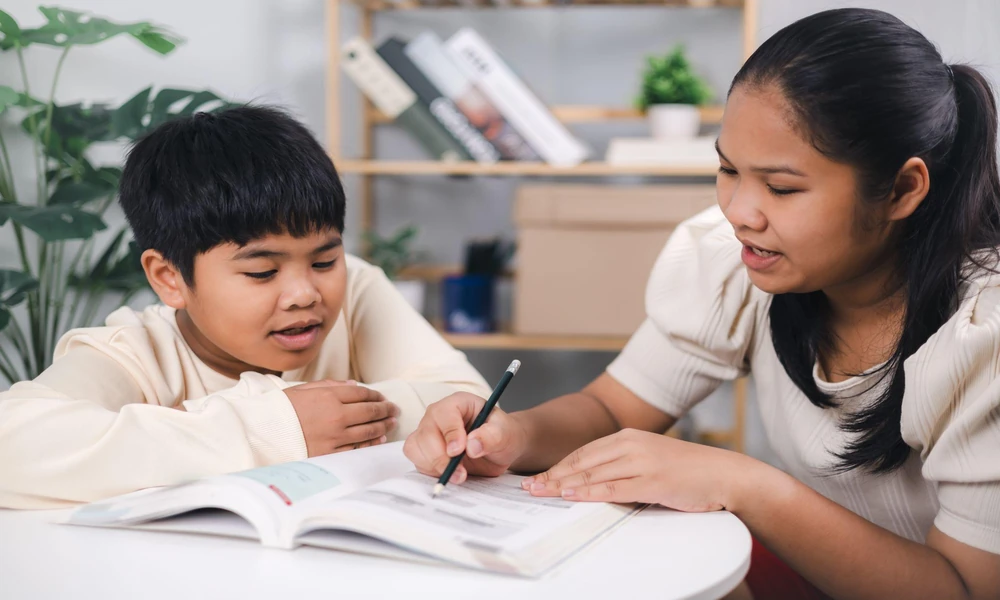

Oral preparation is the component most commonly left to a handful of practice sessions before the examination, which is why it is also where capable children frequently underperform. The conversation component in particular cannot be rehearsed from memorised answers, since the stimulus and the questions change and a child relying on prepared material falls apart when the prompt does not fit. What helps is a way of thinking that works on an unfamiliar topic, and whether a tutor teaches that is worth establishing before engaging them. Six questions put to a prospective PSLE English tutor in Singapore tend to make the difference clear.
1. How Do You Prepare a Child for a Topic They Have Never Seen?
This is the central question. Ask what framework they teach for responding to an unfamiliar stimulus, and listen for whether they describe a method the child can apply or a set of topics they cover.
A tutor who answers by listing popular themes is preparing for the topics they guessed. One who describes a structure the child uses to generate a response regardless of subject is teaching something that transfers.
2. How Do You Build a Child’s Ability to Develop an Answer?
Short answers lose marks. Children frequently respond in one sentence and stop, and the skill of extending an answer with a reason, an example, and a personal connection is teachable.
Ask how they develop this specifically, and whether they have a method the child can recall under pressure rather than a general instruction to say more.
3. What Do You Do With a Child Who Is Nervous or Reluctant to Speak?
Many children underperform in oral not because they lack ideas but because they are anxious about speaking to an unfamiliar adult.
Ask how the tutor addresses that: whether they build up gradually, whether they simulate examination conditions, and how they handle a child who freezes. A primary English tutor in Singapore working with a quiet child needs an approach to confidence as well as to content, and a tutor who treats nerves as something the child will simply get over is unlikely to address the actual problem.
4. How Do You Teach Reading Aloud Beyond Pronunciation?
Reading aloud is assessed on more than accuracy. Expression, pacing, pausing at punctuation, and conveying the mood of a passage all contribute.
Ask what they work on and how they give feedback, and whether they record the child to let them hear themselves, which is frequently more effective than being told.
5. Do You Conduct Practice Under Realistic Conditions?
Practice in a relaxed conversation with a familiar tutor is not the same as sitting across from an examiner.
Ask whether they simulate the format properly, including timing, an unfamiliar stimulus, and a more formal manner, and how often. A child who has only practised comfortably will encounter the real conditions for the first time on the day.
6. How Will You Tell Me What My Child Needs to Work On?
Ask what feedback you receive, whether it names specific weaknesses, and what you can do at home between sessions.
Oral improves considerably with everyday practice, and a tutor who gives parents something concrete to do extends the work beyond the session.
Watching a Trial Session If You Can
Where a trial is possible, observing how the tutor handles your child during an oral exercise tells you more than any of the answers above.
Notice whether the tutor lets the child finish, whether they prompt usefully or supply the answer, and whether your child becomes more or less willing to speak across the session. A child who is talking more at the end than at the beginning is with someone who knows how to draw them out, which is most of what oral preparation actually requires.
Contact Genius Mind Home Tuition to discuss your child’s oral preparation and arrange a trial session.
6 Questions to Ask a Tutor About PSLE Oral Preparation
