
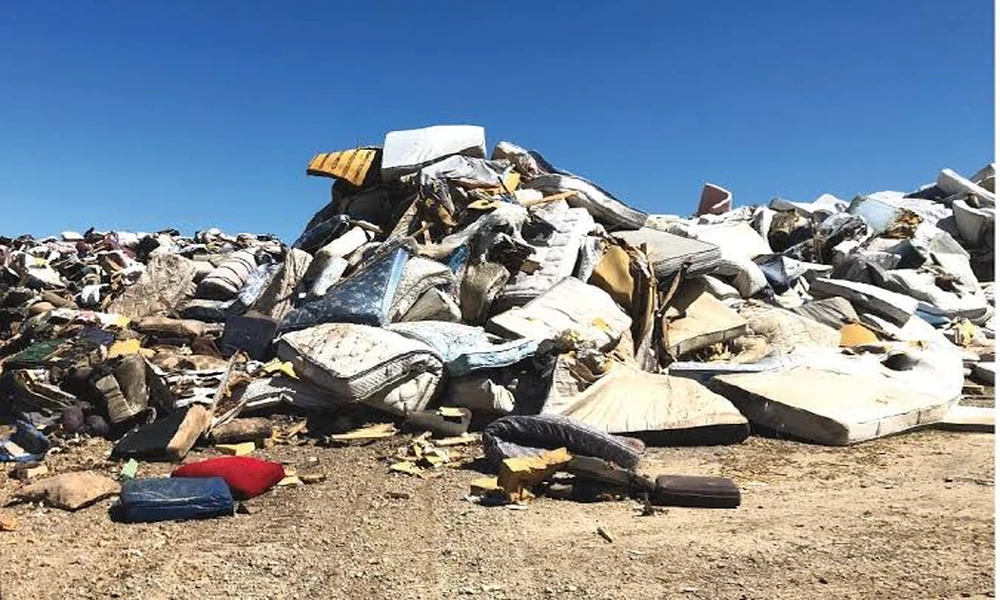

A single mattress may look harmless, but multiplied by millions, the problem quickly becomes overwhelming. Each year, an astonishing number of mattresses are discarded and left to languish in landfills, taking decades to break down and silently straining our environment.
The Rise of Mattress Waste: A Growing Environmental Challenge
Across the globe, millions of mattresses reach the end of their useful lives annually. In Canada alone, it’s estimated that hundreds of thousands of mattresses are disposed of every year, contributing heavily to landfill congestion. The sheer bulk of a mattress, combined with its complex construction, means it occupies excessive space wherever it lands.
The real issue lies in the persistence of these items. Mattresses are designed for durability and comfort, but those very qualities make them stubbornly resistant to decomposition. Conventional mattresses can remain largely intact for up to 80 years, slowly leaking synthetic chemicals and metals into the soil and groundwater.
As landfills fill up, their environmental impact skyrockets. The steel springs, polyurethane foam, and flame retardant chemicals found in most mattresses can contaminate local ecosystems. Methane, a potent greenhouse gas, is often produced as these materials break down anaerobically. When you consider the scale, the environmental cost of “out of sight, out of mind” mattress disposal becomes impossible to ignore.
Early Attempts at Mattress Disposal and Their Limitations
Historically, disposing of a mattress was as simple as dragging it to the curb. Most cities relied solely on landfill burial. Yet, the drawbacks of this approach became evident quickly: mattresses do not compact well, so they waste valuable landfill space and even interfere with machinery.
Early recycling efforts stumbled on both logistics and technology. Some communities attempted to manually deconstruct mattresses, but the process was labor-intensive, inconsistent, and not economically viable at scale. Public awareness was low, so few people sought out recycling options, and regulations rarely prioritized mattress diversion.
The result? A patchwork of local experiments with little long-term impact, leaving the vast majority of old mattresses destined for landfill.
Innovations in Mattress Recycling: Breaking New Ground
The landscape started to change when innovators recognized mattress recycling as a unique environmental opportunity. Companies like Recyc-Matelas Canada stepped up with solutions specifically designed to address the challenges of mattress waste. With proprietary processes, they have managed to recycle over 4 million mattresses, proving that large-scale mattress recycling is feasible and impactful.
Modern facilities use specialized equipment to efficiently strip mattresses down to their component parts: steel, foam, wood, and fabric. These materials are then sold to manufacturers, feeding directly into the circular economy. Cities such as Quebec, Ontario, Toronto, and Montreal have become case studies in how coordinated mattress recycling can succeed, offering convenient drop-off and pick-up services for residents and businesses.
The Environmental and Economic Benefits of Mattress Recycling
Recycling mattresses delivers immediate relief to overburdened landfills, freeing up space and reducing the risk of pollution. Each mattress diverted from landfill means less leaching of toxins and less methane released into the atmosphere.
But the benefits don’t stop at environmental gains. Mattress recycling recovers valuable materials. Steel from springs is sent to metal recyclers, foam can be transformed into carpet underlay or insulation, and wood is often repurposed for energy or mulch. This approach strengthens the circular economy, reducing the demand for new raw materials.
On top of that, recycling operations create jobs and foster local economic growth. From collection and transportation to deconstruction and material processing, the industry supports a range of skilled and entry-level positions while helping communities take charge of their waste.
Overcoming Challenges in Mattress Recycling Implementation
Despite the progress, obstacles remain. Collecting bulky mattresses and transporting them to specialized facilities adds logistical costs. Consumer participation is another hurdle; many people simply aren’t aware that recycling options exist or how to access them.
Education plays a key role. When cities and companies launch outreach campaigns, recycling rates rise significantly. Policy incentives and industry partnerships can further smooth out barriers, encouraging the private sector to invest in more recycling infrastructure and making the process more accessible to everyday citizens.
The Future of Mattress Recycling: Trends and Opportunities
Designers and manufacturers are beginning to consider recycling at the blueprint stage. By creating mattresses that are easier to disassemble, the recycling process becomes more efficient and less expensive.
Municipalities and provinces are steadily expanding their programs, with some areas mandating mattress recycling or banning them from landfills entirely. Innovation will continue to drive growth, but supportive legislation and cross-industry collaboration will determine how far and fast sustainable mattress management can scale.
How Consumers Can Contribute to Mattress Recycling Efforts
Anyone can play a part in reducing mattress waste. Start by seeking out local recycling programs or specialized services like those provided by Recyc-Matelas Canada. When purchasing a new mattress, look for retailers or manufacturers that offer take-back or recycling options.
If your mattress is still in good condition, consider donating it to shelters or second-hand organizations. Always avoid illegal dumping or leaving mattresses on the curb unless you are certain they will be collected as part of a recycling initiative.
Finally, advocate for greener options in your community and support brands that prioritize sustainability and responsible end-of-life product management. Every small action helps turn a mountain of waste into a valuable resource.
Why Mattress Recycling Is Essential for Reducing Landfill Waste
