
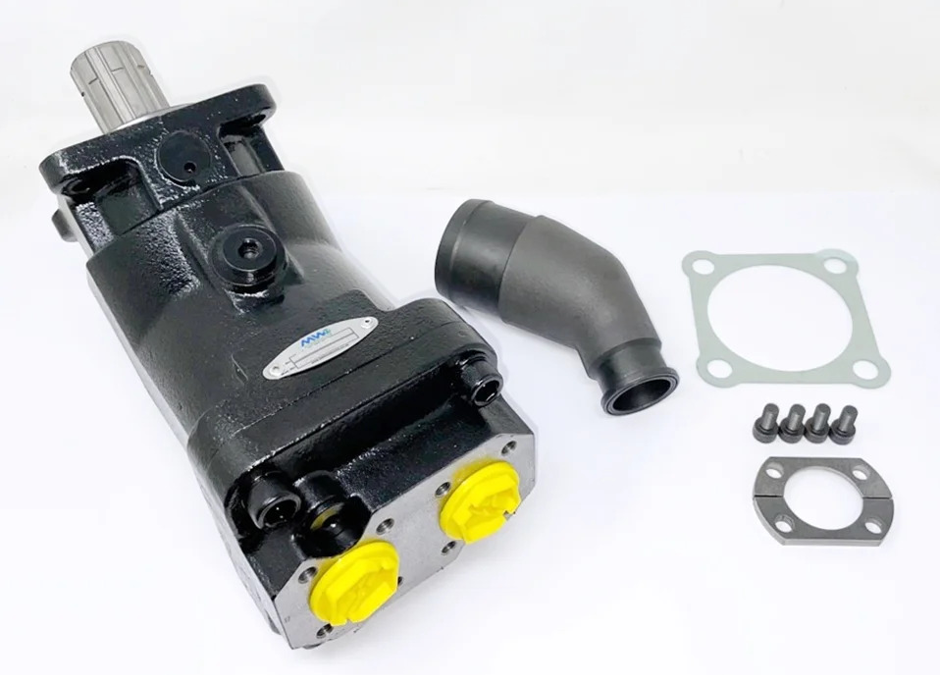

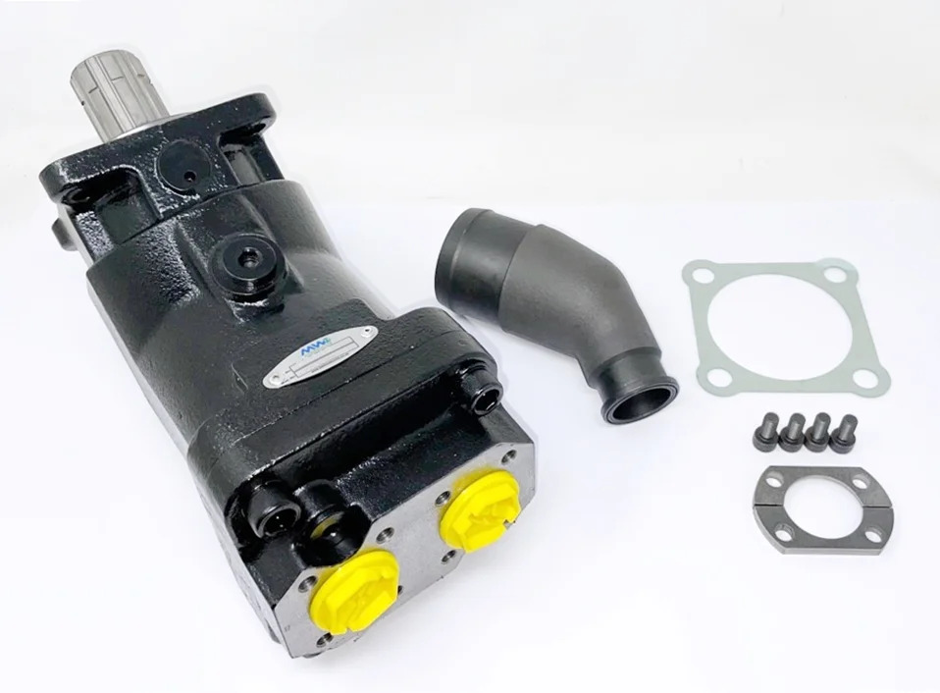
Hydraulic systems are built to perform in demanding environments. Whether powering a tipping trailer, walking floor, hook loader, skip loader or crane, every hydraulic system relies on one essential component – the hydraulic oil pump.
A quality hydraulic pump should deliver years of dependable service, but like any hardworking mechanical component, it requires the right operating conditions to perform at its best. In our experience at MW Truck Parts, most hydraulic pump failures aren’t caused by manufacturing defects. More often, they’re the result of contaminated oil, poor maintenance, overheating or an incorrectly specified system.
Understanding these common issues can help operators reduce downtime, avoid costly repairs and maximise the lifespan of their hydraulic equipment.
Contaminated Hydraulic Oil
One of the leading causes of hydraulic pump failure is contaminated hydraulic oil.
Tiny particles of dirt, metal filings or moisture can circulate through the hydraulic system, gradually wearing precision-machined internal components. Even contamination that isn’t visible to the naked eye can reduce pump efficiency over time, eventually leading to expensive failures.
Regular oil changes, replacing hydraulic filters at the recommended intervals and ensuring hydraulic tanks remain properly sealed all help protect the pump and the wider hydraulic system.
Heat Can Significantly Reduce Pump Life
Hydraulic systems naturally generate heat, but excessive operating temperatures can quickly shorten the lifespan of a hydraulic pump.
As oil temperatures rise, lubrication becomes less effective, placing additional stress on internal gears, bearings and seals.
Common causes of overheating include:
- Low hydraulic oil levels.
- Dirty or blocked filters.
- Incorrect hydraulic oil viscosity.
- Restricted oil flow.
- Continuous operation under excessive load.
Routine inspections and preventative maintenance of hydraulic oil pumps can often identify these issues before they develop into major mechanical failures.
Cavitation Is Often Overlooked
Cavitation is a problem many operators don’t recognise until significant damage has already occurred.
It happens when air bubbles form within the hydraulic oil before collapsing inside the pump. Those tiny implosions gradually erode internal metal surfaces, creating pitting, excessive noise and reduced hydraulic performance.
Typical causes include:
- Low hydraulic oil levels.
- Restricted suction lines.
- Air leaks.
- Incorrect hose sizing.
- Blocked suction filters.
If a hydraulic pump begins making unusual whining or rattling noises, cavitation should always be considered as a possible cause.
Correct Specification Matters
Selecting the right hydraulic oil pump is just as important as maintaining it correctly.
Commercial vehicles operate across many different industries, and every hydraulic application has different flow, pressure and duty cycle requirements.
Factors that should always be considered include:
- PTO compatibility.
- Required oil flow.
- Maximum operating pressure.
- Hydraulic oil tank capacity.
- Type of hydraulic application.
- Daily operating hours.
Installing a pump that isn’t correctly matched to the vehicle or hydraulic system can reduce efficiency, increase wear and ultimately shorten the life of the entire installation.
Preventative Maintenance Saves Money
Waiting until something fails is almost always the most expensive approach.
Simple preventative maintenance checks for hydraulic oil tanks for trucks can significantly reduce the likelihood of unexpected breakdowns.
These include:
- Monitoring hydraulic oil levels.
- Inspecting hoses and fittings for leaks.
- Replacing filters on schedule.
- Listening for unusual pump noises.
- Checking for excessive operating temperatures.
- Looking for signs of contamination within the hydraulic oil.
Addressing small issues early often prevents much larger and more expensive repairs later.
Quality Components Deliver Long-Term Reliability
Hydraulic systems operate under extremely high pressures, so component quality should never be overlooked.
Choosing dependable hydraulic pumps and compatible system components helps maintain consistent performance while reducing costly downtime and unplanned repairs.
At MW Truck Parts, we supply a comprehensive range of hydraulic oil pumps for trucks, together with hydraulic oil tanks, PTO equipment, filters and other hydraulic components for a wide variety of commercial vehicle applications. Every product is selected to deliver reliability, durability and long-term performance in demanding working environments.
Looking after a hydraulic oil pump doesn’t simply extend the life of one component-it helps protect the entire hydraulic system.
Whether you’re maintaining a single vehicle or an entire fleet, investing in quality parts, regular servicing and the correct system specification will always prove more cost-effective than dealing with unexpected failures.
If you’re unsure which hydraulic oil pump is right for your vehicle or would like advice on compatible hydraulic components, the experienced team at MW Truck Parts is always happy to help. Simply call +44 (0)1262 601600 or email sales@mwtruckparts.co.uk for straightforward technical advice and assistance in selecting the right hydraulic solution for your truck.
